How Car Key Replacement Works by Brand and Technology
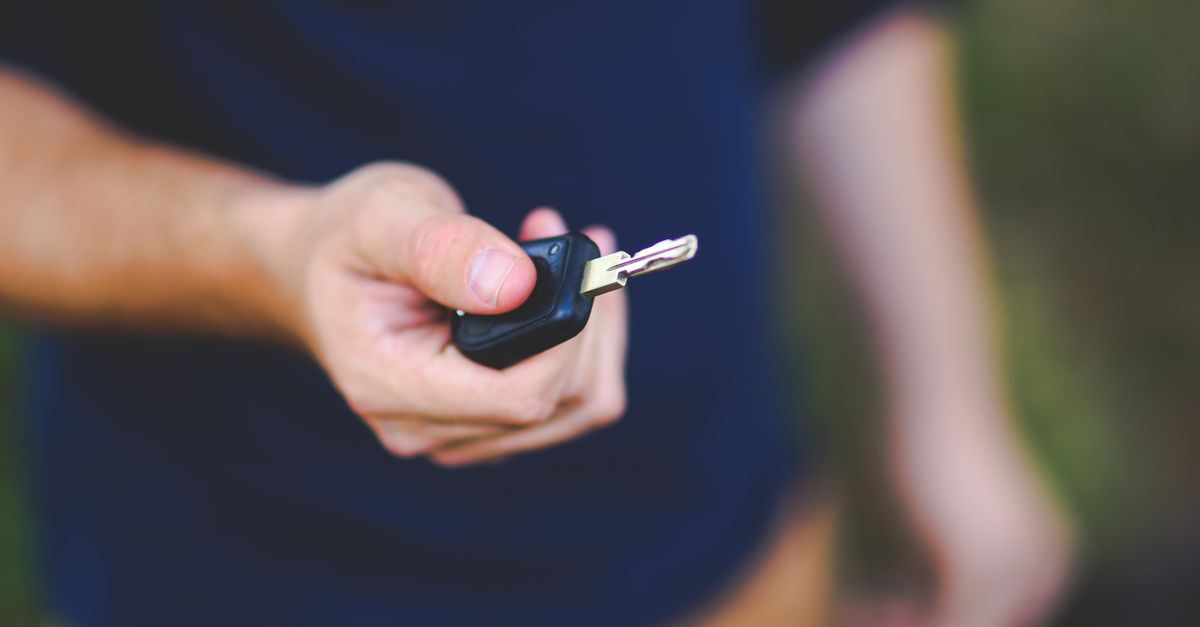
Modern vehicle keys are far more complex than the simple metal cuts of a decade ago. Ford, GM, Ram, and Chrysler vehicles produced in the last ten to fifteen years almost universally rely on transponder chips or proximity fobs that must be programmed to the specific immobilizer system in your car — a process that requires both a correctly cut blade and the right EEPROM or OBD programming protocol. Toyota and Honda models add a layer of complexity because many use rolling-code systems that must be initialized in a specific sequence. European makes — BMW, Mercedes-Benz, Audi, Volkswagen — often use encrypted key files and dealer-level diagnostic tools to write the key data; our technicians carry the equipment to handle these protocols on-site without requiring a dealership visit.
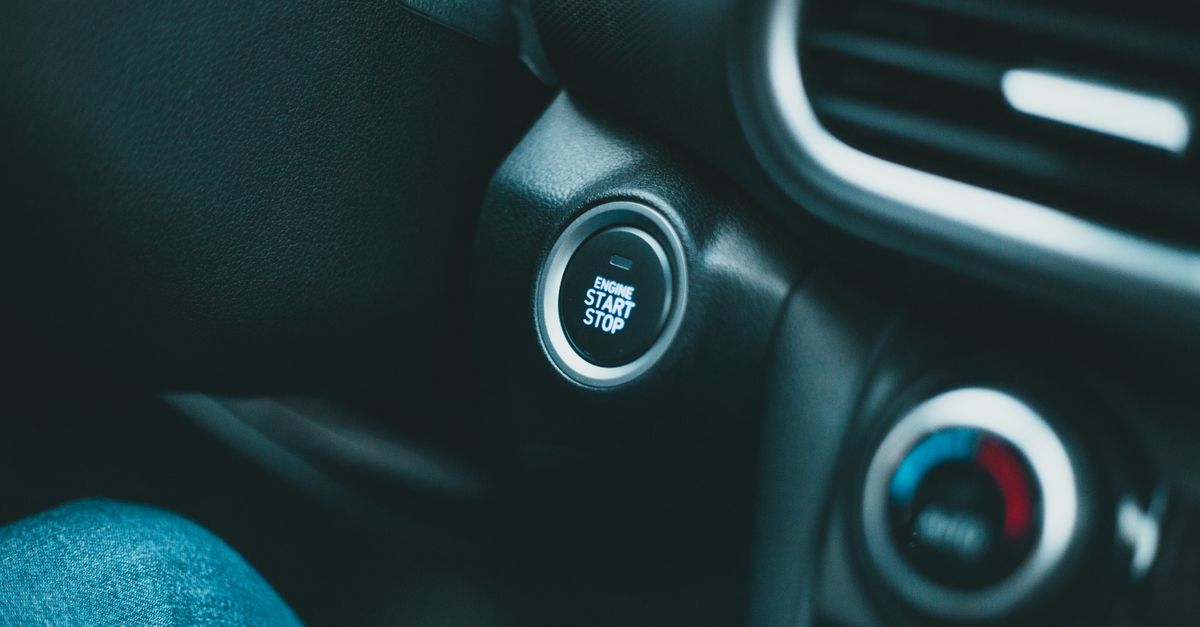
Luxury brands like Lexus and Cadillac, along with newer Hyundai and Kia models, have moved to smart proximity keys that communicate with the vehicle constantly. Programming one of these requires more than simply copying a signal — it involves reading the vehicle's existing key data and writing a new authorization entry. For older vehicles — classic domestic cars, pre-2000 imports — the process may be as straightforward as a precision mechanical cut with no programming at all. Regardless of the brand or generation, our team identifies the correct key blank, cutting specification, and programming method before quoting you a price, so there are no surprises when the work is complete.