Selbyville Locksmith Service Team
Local locksmith team
Jul 11, 2026 9 min read
If you live near the Delaware coast — say, along Lighthouse Road or anywhere close to the salt air rolling in off Fenwick Island — you already know that hardware takes a beating. Humidity, wind, and the occasional nor'easter age a door lock faster than most homeowners expect. That makes the question of whether to stick with a door knob lock or upgrade to a deadbolt more than just a security conversation. It's a practical, coastal-living decision that affects your home's safety every single day.
This guide breaks down exactly how the two lock types compare, what the real vulnerabilities are, when an upgrade genuinely makes sense, and what a mortise lock brings to the table for homeowners who want maximum protection. Whether you're in a beach rental, a year-round home off Route 54, or a seasonal cottage you leave unoccupied for months, keep reading — the answer may surprise you.
## Door Knob Lock vs. Deadbolt: What Each One Actually Does
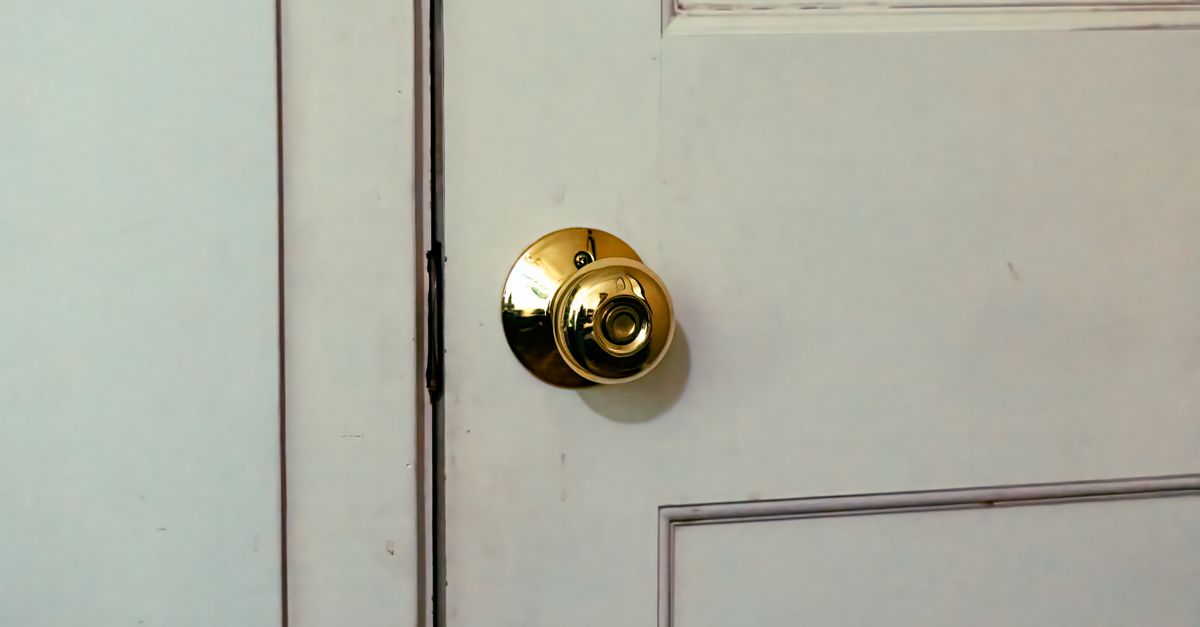
A door knob lock — sometimes called a knob lock — is the spring-latch mechanism built into the knob itself. When you turn the knob, a beveled bolt retracts and the door swings open. That bevel is the weak point. Because the latch is angled, it can be forced back into the door with enough lateral pressure, a credit card shimmy, or a sharp kick at the right angle. These locks were designed primarily for privacy, not for serious security. They are standard on interior doors for good reason, but on an exterior entry door facing a parking lot, a vacation rental deck, or an unlighted side yard, they leave a lot to be desired.
A deadbolt, by contrast, throws a solid rectangular bolt — typically one inch deep — directly into the door frame's strike plate. There is no spring, no bevel, and no easy way to push it back without either a key or destroying the door. For exterior doors, security professionals consistently point to deadbolts as the minimum acceptable standard. The good news: upgrading is straightforward, and a trained locksmith can swap out an old knob lock for a quality deadbolt in a single visit without damaging your door.
## When Your Door Knob Lock Is a Liability, Not a Layer of Security
Here is a scenario that plays out in coastal communities more often than homeowners realize. A vacation property sits empty from October through April. The door is secured with nothing but a door knob with lock and key — no deadbolt, no secondary security. Salt air has worked into the latch mechanism over two seasons, causing it to stick and making the door slightly difficult to close flush. That gap between the door and the frame is now just enough that the latch doesn't fully engage. Someone walking by can apply pressure to the door and it pops open. No forced entry. No signs of a break-in. Just an inadequate lock on a coastal home that nobody checked.
This is also why the question of how to pick a door knob lock gets searched so often — because the honest answer is that knob locks are among the easiest residential locks to defeat without specialized tools. We won't walk you through techniques here, but the point stands: if you're wondering how vulnerable your lock is, assume a knob lock on an exterior door is not your strongest line of defense. If you're at that point in your thinking, it's time to call a professional. Our team at Selbyville Locksmith is available around the clock — call (704) 850-6756 and we can assess your current hardware and recommend the right upgrade for your specific door and frame.
## Mortise Lock: The Upgrade Worth Knowing About
Between a standard deadbolt and a door knob lock sits a third option that commercial and high-end residential properties have relied on for generations: the mortise lock. A mortise lock is a self-contained unit that fits into a rectangular pocket (the mortise) cut into the edge of the door. It combines a latch bolt, a deadbolt, and sometimes additional security features into a single, robust assembly. The lock body itself is recessed deep into the door, which means there's far less hardware exposed on the surface for anyone to tamper with.
For coastal homes, mortise locks offer another advantage: the internal mechanism is largely sealed within the door, which slows the corrosion that eats through standard knob lock hardware. If you have a heavy solid-core or fiberglass door — common in newer beach construction along the Delaware shore — a mortise lock installation makes excellent use of that door's structural strength. Our experienced locksmiths install and service mortise locks regularly, and we can tell you whether your existing door and frame are a good candidate during the same visit we assess your current setup.
## How to Change a Door Lock: What the Process Actually Involves
Many homeowners search 'how to change a door lock' expecting a simple swap, and in some cases it is straightforward. If you're replacing a knob lock with a deadbolt on a door that already has a bored hole in the right position, the job can take under an hour. But there are real variables that matter. The door thickness, the backset measurement (the distance from the door edge to the center of the lock hole), whether the strike plate is correctly aligned, and whether the door frame is solid enough to hold a reinforced strike plate — all of these affect both the outcome and the time involved.
When a mortise lock is going in, the job is more involved because a precise rectangular pocket must be routed into the door edge. That's skilled work that requires proper tools and experience to do without weakening the door. Factors that affect the final cost of a lock change or upgrade include the type of lock being installed, the condition of the existing door and frame, the time of day the work is done, travel distance, and whether additional hardware like a reinforced strike plate is needed. We always confirm an exact up-front price before any work begins — no surprises when the job is done. If you're ready to talk through an upgrade, reach out to our team at (704) 850-6756.
## So, Is the Upgrade Worth It for Your Coastal Home?
For most exterior doors in the Selbyville area, yes — upgrading from a knob lock to at least a quality deadbolt is genuinely worth it. If you currently rely on only a door knob with lock as your exterior security, you're one strong kick or a few seconds of shimming away from an open door. Adding a deadbolt, ideally paired with a reinforced strike plate with 3-inch screws that reach the wall stud, dramatically raises the effort required to force entry. For rental properties, seasonal homes, or any door facing a less-visible side of the house, the upgrade pays for itself in peace of mind.
If you want to go further — especially on a front door, a back door accessible from a deck, or a commercial space — a mortise lock installation handled by a skilled locksmith brings the kind of durability and security that outlasts standard bolt-on hardware by years. Our team serves homeowners and businesses throughout Selbyville and the surrounding coastal communities, and we're available 24 hours a day, 7 days a week. Whether you need a same-day upgrade, an emergency locksmith response after a lockout, or a full security assessment, we're a call away at (704) 850-6756.
Frequently asked questions
How much is the average locksmith charge for upgrading a door knob lock to a deadbolt?+
There is no single flat figure because several factors shape the final quote: the type of lock being installed (a basic deadbolt differs from a high-security mortise lock), the condition and thickness of your existing door, whether additional hardware like a reinforced strike plate is needed, the time of day the work is performed, and travel distance to your location. What we always do before starting any job is confirm an exact price up front so you know what to expect. Call (704) 850-6756 to get a clear quote for your specific situation.
Can a locksmith open any lock — including an old or unusual door knob lock?+
An experienced locksmith can open the vast majority of residential and commercial locks, including older knob locks, deadbolts, mortise locks, and high-security cylinders, through legitimate non-destructive methods. Some highly specialized or severely damaged locks may require drilling as a last resort, but a skilled professional will always try the least invasive approach first. If you're locked out or have a lock that's jammed or malfunctioning, call our team at (704) 850-6756 and we'll walk you through the options.
How do I know if a locksmith is legit before letting them work on my door?+
A few straightforward checks help here. Ask whether the locksmith arrives in a marked vehicle and carries identification. Ask whether they are insured — our team is. Be cautious of anyone who quotes one price on the phone and presents a dramatically different invoice at the door. A trustworthy locksmith will confirm an exact up-front price before touching your lock and will not pressure you to decide quickly. We verify ownership or authorization before performing any work, which is standard practice for any professional locksmith. When in doubt, call us directly at (704) 850-6756 rather than selecting an unknown provider from an ad.
Can a locksmith make a key from a lock — for example, if I've lost all copies?+
Yes. A qualified locksmith can decode most lock cylinders and cut a working key directly from the lock, without needing an existing key to copy. This works for many common knob locks, deadbolts, and mortise locks. The process involves disassembling or reading the cylinder to determine the correct key cuts, then cutting a new key on-site. It is a legitimate and commonly requested service, especially for homeowners who have moved into a property without receiving all the original keys. Call (704) 850-6756 and we can confirm whether this service applies to your specific lock.